EV energy / Storage is only the beginning
Inside the energy budget
The battery percentage is a starting point. Temperature, speed, charging limits and cabin comfort determine how much useful travel that energy can deliver.
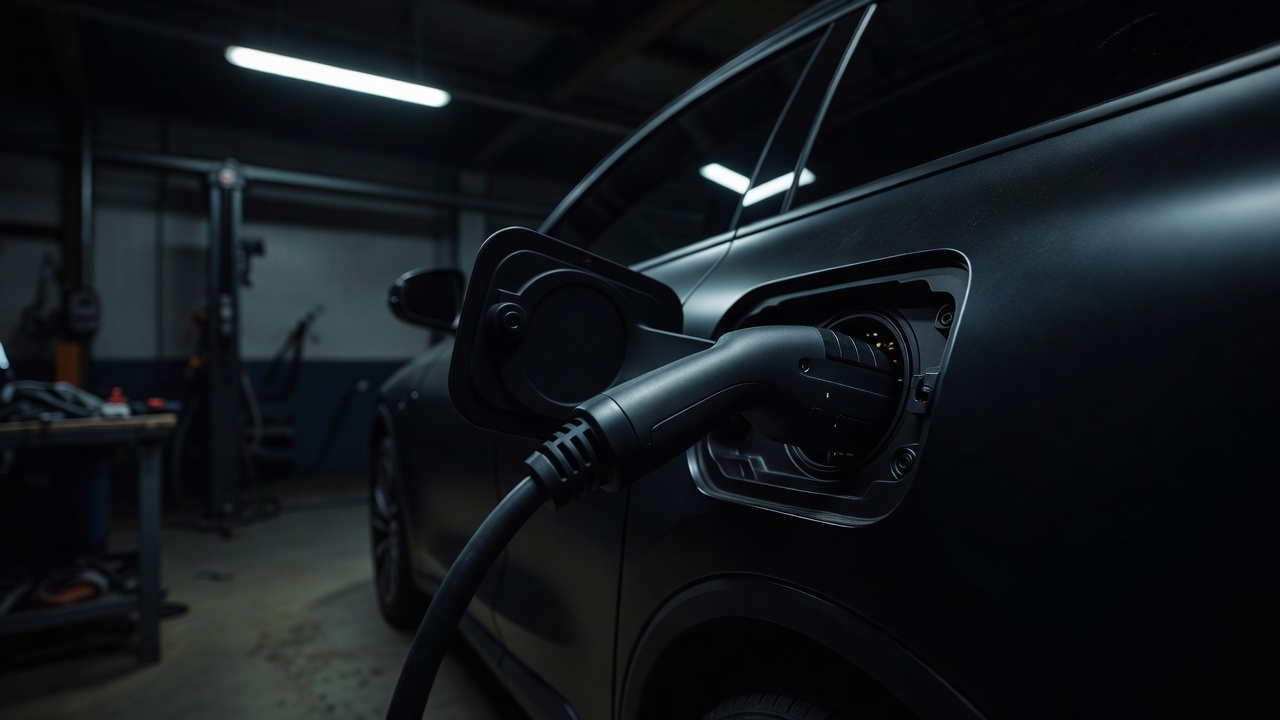
Separate energy from power.
Kilowatt-hours describe an amount of energy. Kilowatts describe a rate of energy transfer. Battery capacity and charger power therefore answer different questions. A large battery can store more energy, while a high-power charger may transfer energy faster only when the vehicle and conditions permit.
Published battery figures may refer to total capacity or usable capacity. Manufacturers can reserve buffers to protect cells and manage operation. When comparing vehicles, establish which figure is being quoted. A range estimate based on usable energy is still only an estimate because energy consumption changes with the journey.
The inverter controls electrical power supplied to the motor. The reduction gear and driveline transmit torque to the wheels. These components are efficient but not lossless. The battery-management system estimates state of charge, monitors cell conditions and restricts operation when necessary. It does not directly measure a fixed number of miles remaining.
The charging curve matters more than the peak.
During AC charging, the vehicle’s onboard charger converts incoming alternating current for battery storage. The available supply and the onboard charger both set limits. DC rapid charging supplies direct current to the battery system through controlled communication with the charging equipment, bypassing the onboard AC conversion stage.
The power delivered at any moment depends on several constraints: the station, shared site capacity, cable capability, battery temperature, charge level and vehicle limits. A station’s maximum rating is not a promise to every connected vehicle. Charging commonly slows as the battery fills, although the exact curve varies.
Battery preconditioning, when supported, brings the pack toward a suitable temperature before charging. It uses energy, but can improve charging performance in unfavorable conditions. Follow the vehicle’s instructions; selecting a compatible charger through built-in navigation may be part of the required process.
Limitation note: why a warm cabin does not prove the battery is ready
Cabin and battery thermal systems have different targets. A comfortable interior can coexist with a cold pack that accepts limited charging power or regeneration. Check the vehicle’s battery and charging messages rather than judging by cabin temperature.
Range responds to the route.
Higher road speed increases aerodynamic demand, particularly on sustained highway journeys. Cold weather can increase heating requirements and affect battery performance. Rain, headwinds, climbing, towing and unsuitable tire pressure can raise consumption. A trip that ends at the same elevation can still lose energy because recovery on the descent is not perfect.
Regenerative braking converts some vehicle motion back into stored electrical energy. Recovery may be restricted when the battery is cold, nearly full or unable to accept the requested power. Friction brakes remain essential, and braking feel may change as the vehicle blends systems. Do not assume familiar deceleration will always be available when lifting off the accelerator.
Preconditioning while plugged in can reduce the battery energy needed immediately after departure, depending on the vehicle and supply. Sensible cabin settings, moderate speed and correctly maintained tires can also help. Never trade visibility, tire safety or a safe traffic speed for a small efficiency gain.
Compare like with like.
EPA range and European WLTP figures arise from different test procedures and should not be treated as interchangeable road-trip promises. Laboratory testing supports consistent comparison within a scheme, not a guarantee for your weather, speed or load. Use recent real consumption and a sensible arrival reserve when planning a journey.
Hybrids combine an engine, motor and battery in arrangements that vary substantially. A plug-in hybrid can travel using externally charged energy, but its fuel use depends strongly on charging frequency and trip pattern. A conventional hybrid cannot usually be charged from an external plug. Compare operation that resembles your own driving rather than relying on a single headline number.
Battery chemistries such as lithium iron phosphate and nickel-rich lithium-ion designs involve different cost, energy-density and operating trade-offs. Follow model-specific charging recommendations instead of applying one universal daily charge limit. Charging standards and connector adoption are also evolving: CCS, SAE J3400 and CHAdeMO compatibility must be checked for the actual vehicle, adapter and station.
Emerging vehicle-to-home and vehicle-to-grid systems may allow supported vehicles to export energy. They require compatible equipment, approved installation and appropriate utility arrangements. Bidirectional capability is not created merely by owning an EV with a large battery.
| Figure | What it describes | Important limit |
|---|---|---|
| kWh | Energy stored or consumed | Total and usable capacity differ |
| kW | Instantaneous power | Peak charging power is not sustained power |
| kWh per distance | Energy consumption | Route and measurement boundary matter |
| Displayed range | A calculated travel estimate | It changes as conditions change |